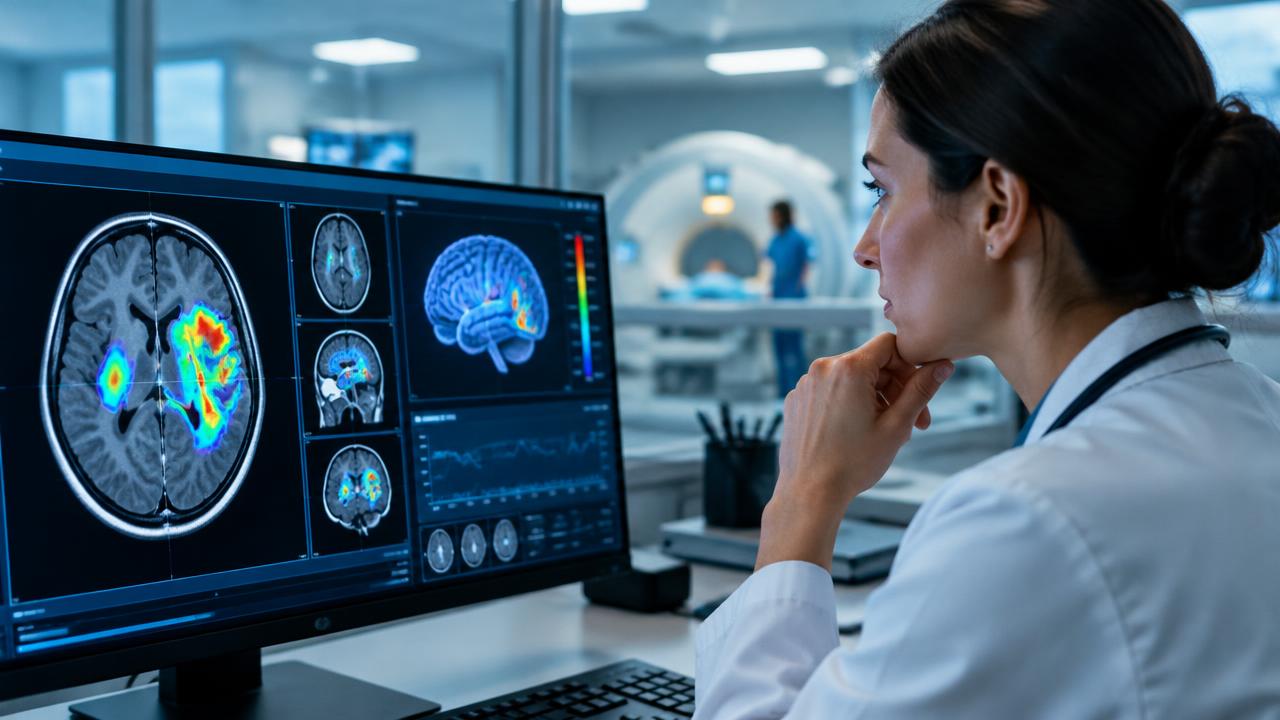
Cancer Detection AI is one of the subjects readers ask us about most. This beginner’s guide covers the essentials: what it is, why people are paying attention, and how to explore it yourself without getting lost in jargon.
The basics
Like most of modern AI, cancer detection ai relies on systems that learn patterns from large amounts of data rather than following hand-written rules. That makes it flexible and often impressive — but it also means results depend heavily on the quality of the data and on people checking the output.
Why it matters
In health, cancer detection ai could help clinicians work faster and catch problems earlier — provided it is tested carefully and used under proper medical supervision.
How to get started
- Learn the key terms first — a few minutes with a plain-English glossary goes a long way.
- Try one well-known example of cancer detection ai yourself, on a low-stakes task.
- Notice where it helps and where it gets things wrong.
- Keep a person in the loop for anything important.
Want to go deeper? Our in-depth guides explain how large language models work and what tokens are — the building blocks behind most of today’s AI.